 Weidian Spreadsheet Worldwide
Home › Spreadsheet
Sixteen Weidian shelves, each with an honesty note
This page is the whole catalog laid flat: every shelf, a sample of what sits on it, and a counter note telling you what to double-check before the link goes to your agent.
What this catalog is, in plain terms
A Weidian Spreadsheet is a browsable showcase of products from Weidian shops: photo cards sorted onto shelves so you can browse by category, each card carrying the original listing link. It exists because the platform itself gives outsiders nothing to browse. You pick here, then an agent buys there.
Nothing on these shelves is sold by this site. Cards route to a live product catalog; the listing link on each card is what you paste into an agent's order form. Prices on cards are in CNY and usually show a listing's lowest spec, a habit explained in the platform quirks.
One honest limit up front: shelves are stocked by many small shops, and a stray does slip in. Two strays we found in our own samples are flagged in the notes below rather than quietly removed, because you will meet the same thing on every catalog of this kind.
Use the wall and the notes as a pair. The wall answers what exists; the note answers what this category punishes, sizing on shoes, freight on coats, spec menus on hoodies. Reading the note before opening the shelf costs ten seconds and pre-loads exactly the question you should carry into the listings.
How the search box earns its keep
The box on the front page takes plain English product words and returns a page of cards. It is the fastest route when you already know what you want; the shelves below win when you only know the shape of it.
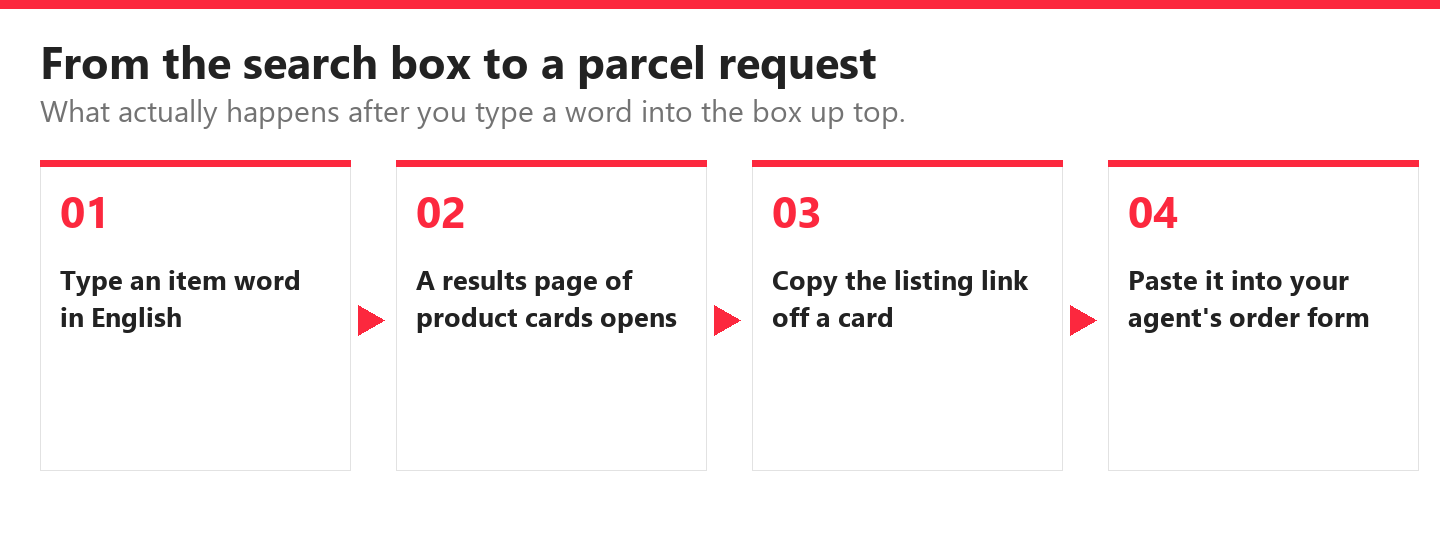
Two habits make it sharper. Search the garment, not the brand: a word like cargo pants or canvas tote surfaces more shops than any label name. And when results feel thin, cut the query to one noun; the index behind the box matches English words against listings that were written in Chinese, so shorter is stronger.
Everything else on this site is reachable from a result card: the link it carries is what the guide calls stop two, the price it shows is the floor the quirks page explains, and the photo on it is the claim your warehouse set later gets compared against. The box is not a feature beside the catalog; it is the catalog, queried instead of browsed.
Shelf notes from the counter
Each shelf below links to its full category. The samples are real cards from the shelf; the note is ours. Where a stray sits in the sample, we say so instead of cropping it out.
Sneakers
Open the sneaker shelf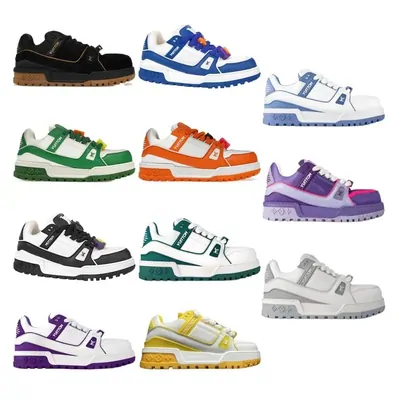
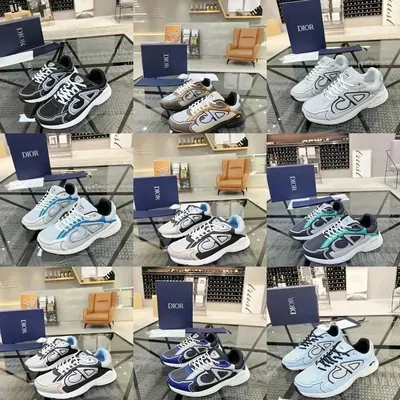
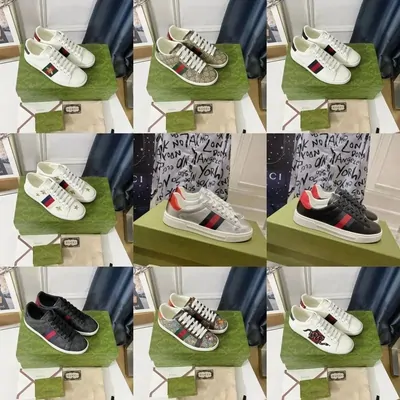
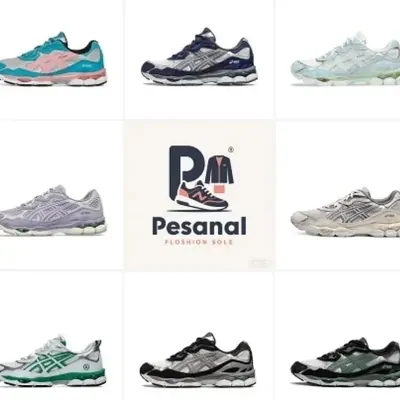
The deepest shelf in the catalog. Sizing is the whole game: ask for an insole measurement in centimetres at the photo stage, because factory size charts drift between batches and a US 9 is not one fixed length here.
Jackets and coats
Open the outerwear shelf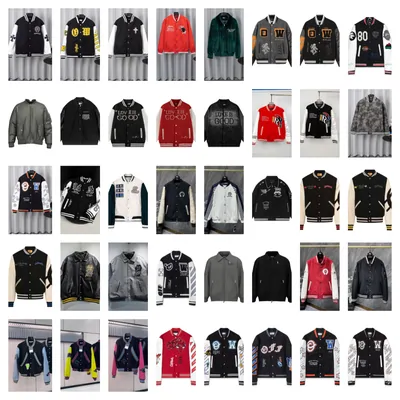
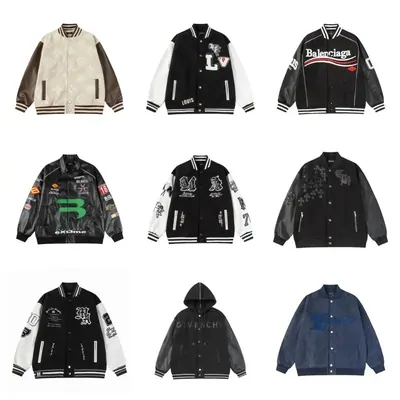
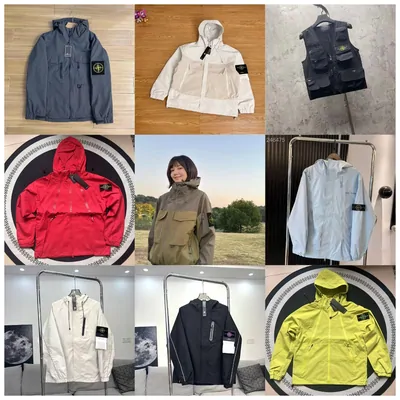
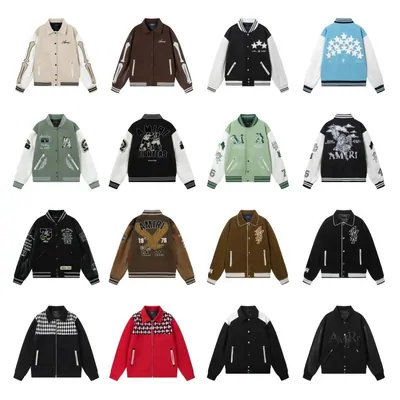
Heavy and bulky, so freight dominates the total: a padded coat can cost more to fly than to buy. Check the lining in close-up photos and run the billable weight calculator before falling for anything quilted.
Hoodies
Open the hoodie shelf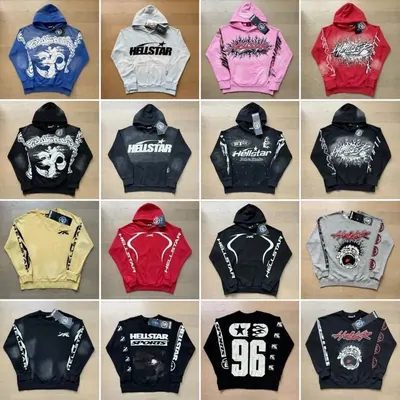
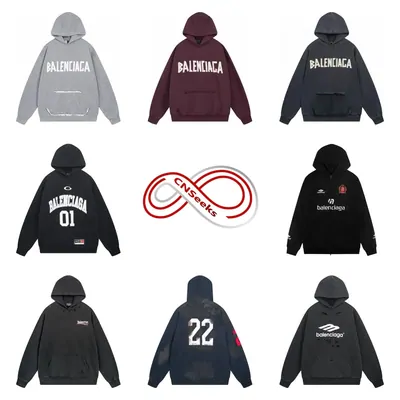
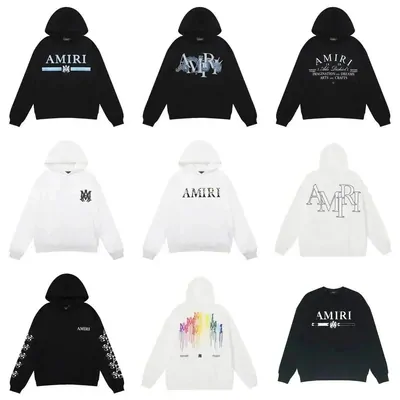
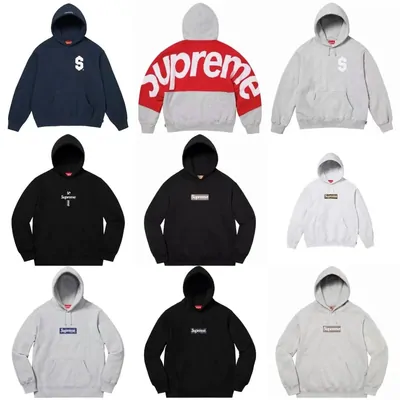
Most listings photograph a whole wall of prints on one card, and the spec buttons are usually numbered rather than named. Screenshot the exact print you want and attach it to the order note; see the spec-button habit for why.
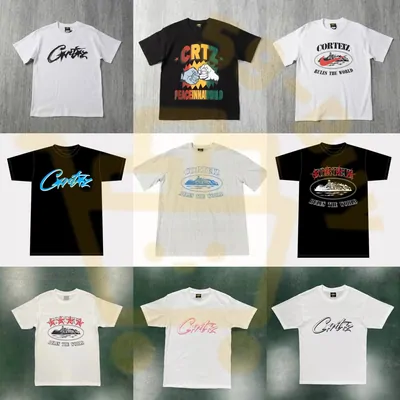
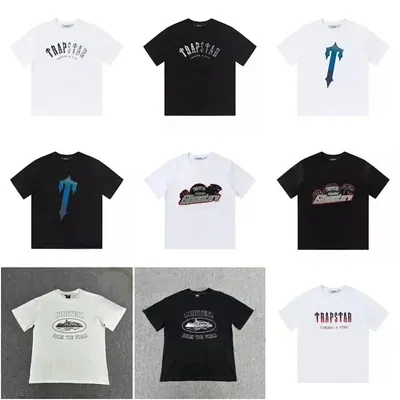
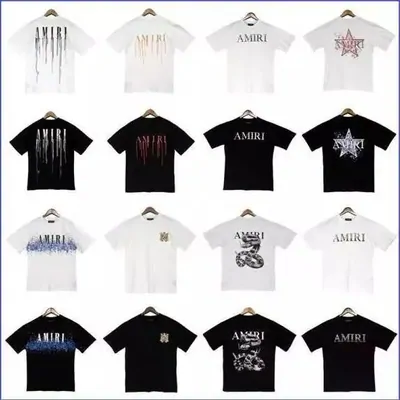
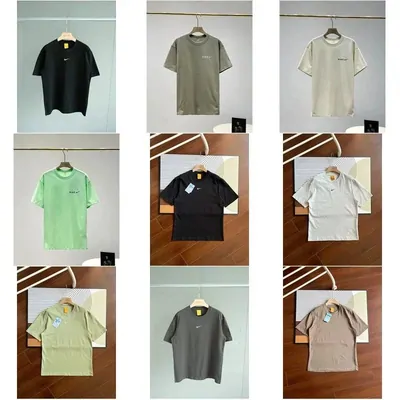
Cheap enough that shipping maths flips: one tee rarely justifies its freight, five of them share it well. Tees are the classic box-filler for a consolidated parcel, which the guide calls stop five.
Jeans
Open the jeans shelf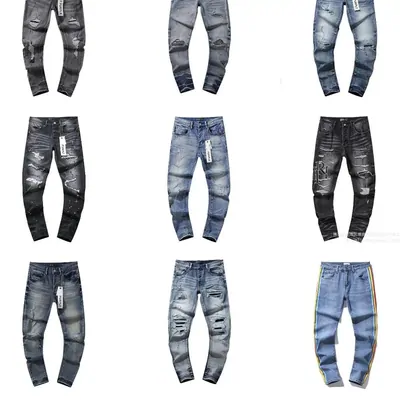
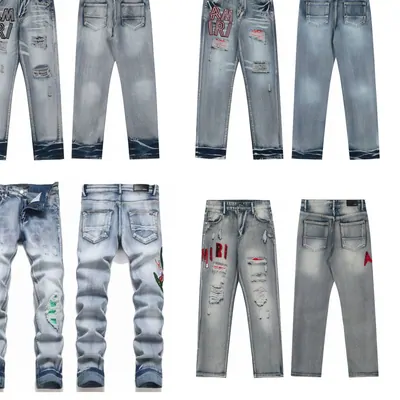
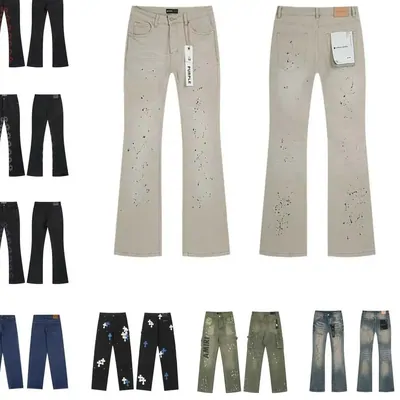
Waist sizes here are usually tagged in centimetres or in Chinese size codes, not inches. Ask the warehouse for a flat-lay waist measurement at the photo stage; one of our sample cards in this category turned out to be a plush toy, which says everything about trusting labels over photos.
Sweatpants
Open the sweatpants shelf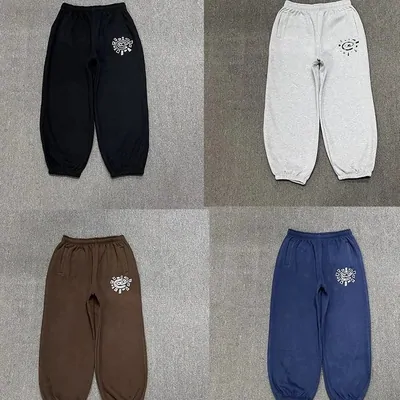
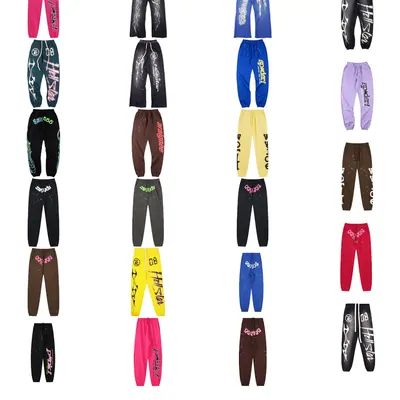
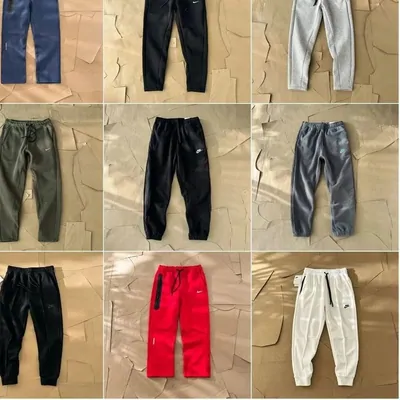
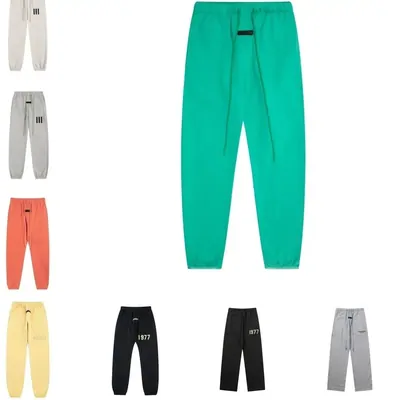
Fleece weights differ wildly between shops selling near-identical photos. The gram weight per square metre sometimes appears in the Chinese description images; if it does not, a tape-on-fabric close-up request at QC is the only way to know what winter actually gets you.
Womenswear
Open womenswear results

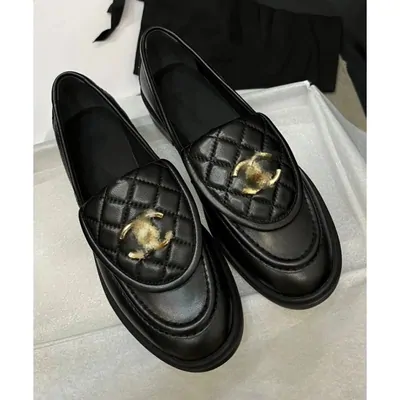
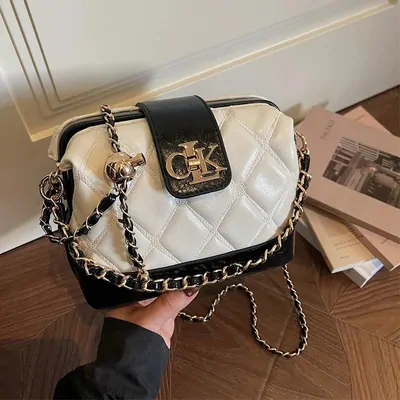
This route is a search, not a category, so results mix clothing with bags and shoes, as the sample row shows. Treat it as a feed to skim; size charts in this corner often reference height and weight ranges rather than garment measurements, so the QC tape request matters twice.
Jerseys
Open the jersey shelf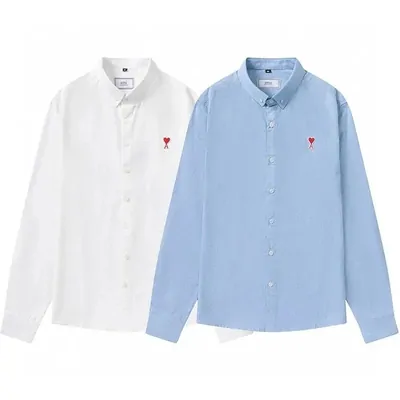
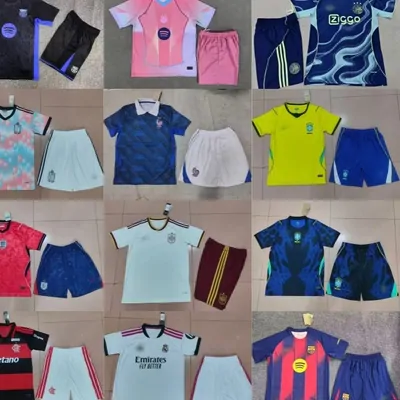
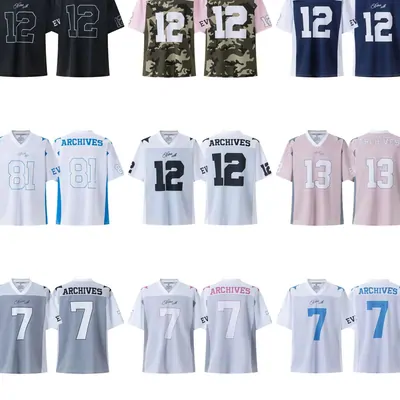
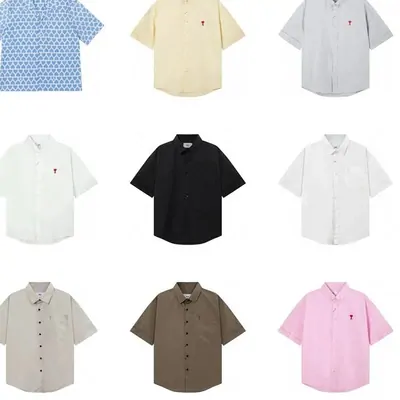
Fan-version and player-version cuts share photos on many cards and differ in fabric and fit. The listing's spec menu is where the difference hides; have your agent confirm which cut the price refers to before paying, not after the photo stage.
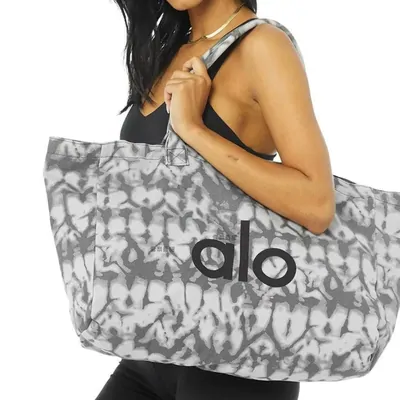
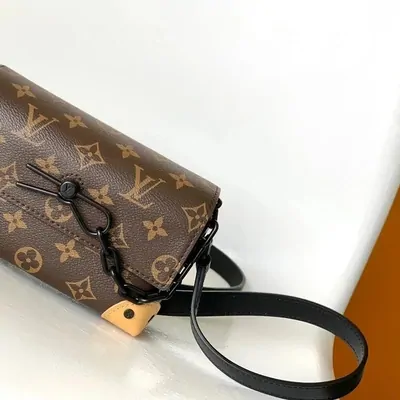
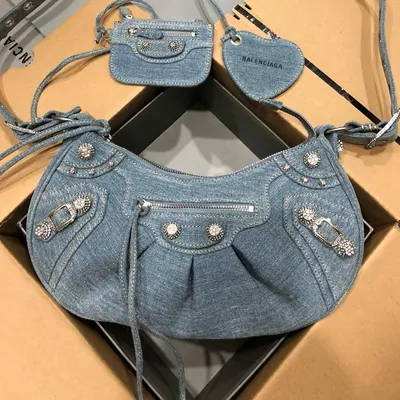
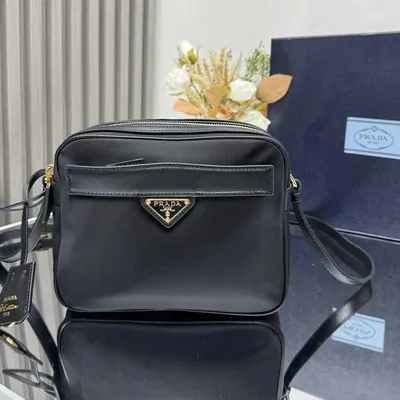
Interior shots are the test of a serious listing: lining, stitching and zip hardware are where corners get cut. If the listing shows only exteriors, ask the warehouse for an opened-bag photo; it is a standard request, not a favour.
Caps and beanies
Open the hat shelf

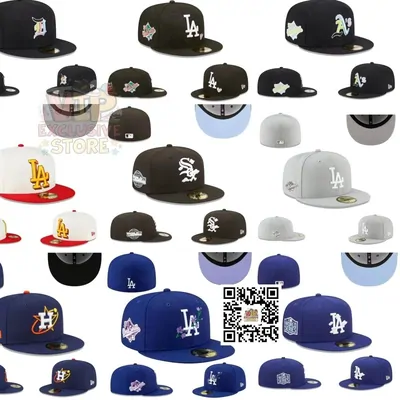
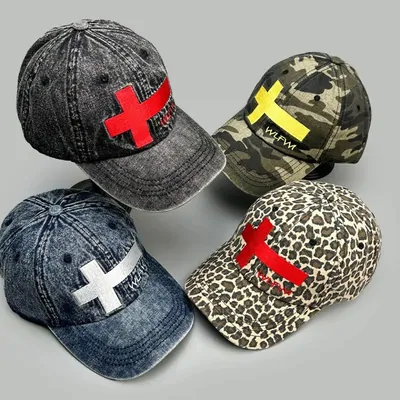
Light, cheap, crushable: hats ride along in any box but arrive creased if packed loose. A pre-pack shaping request costs little and saves the brim; mention it when you submit the parcel, which is stop five in the guide.
Belts
Open the belt shelf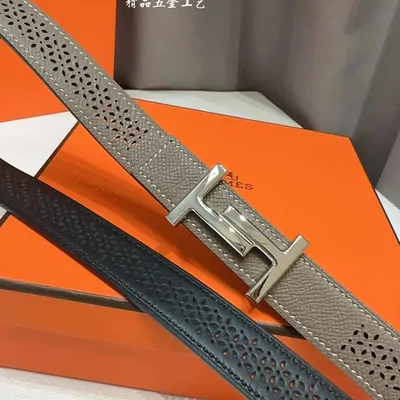
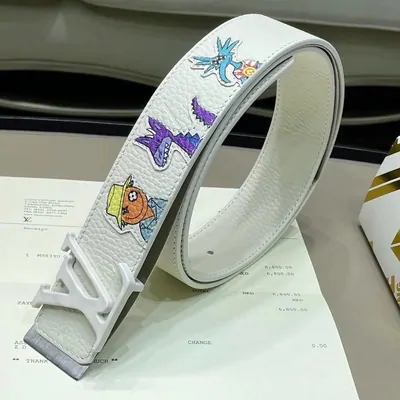
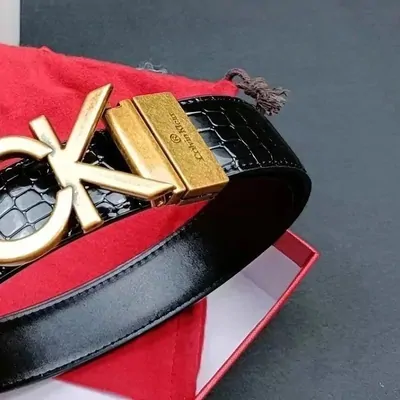
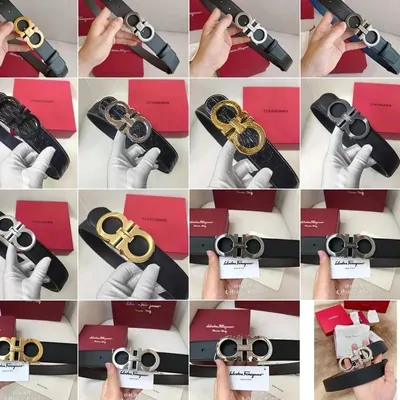
Belts sell by body length in centimetres, and many shops cut to order. Measure an existing belt from buckle to the hole you use, send that number with the order, and ignore the S, M, L letters entirely.
Eyewear
Open the eyewear shelf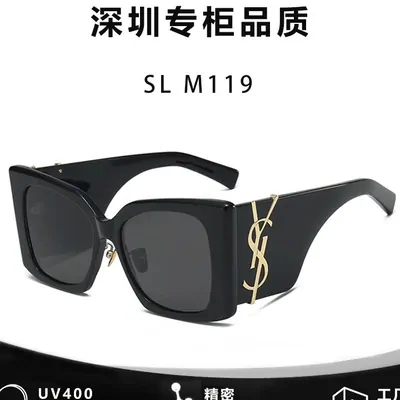
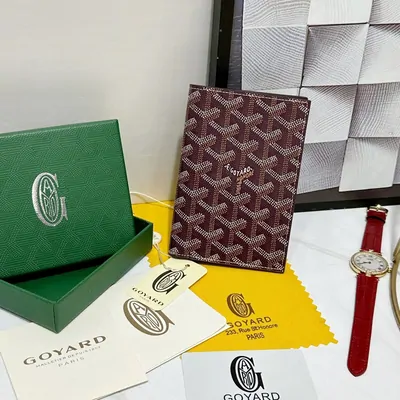
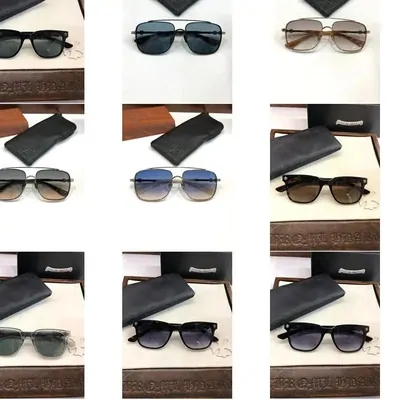
One of our three samples here is a boxed accessories set, not glasses: a live stray, kept on display as proof that shelf labels are hints rather than guarantees. For actual frames, the number that matters is lens width in millimetres, usually printed inside the temple arm.
Perfume
Open the perfume shelf

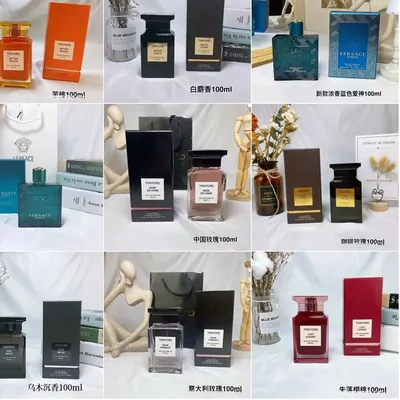

Liquids ride restricted freight: most ordinary lines refuse them and the ones that accept them run slower and cost more. Decide the shipping line before buying the bottle, not after; the costs page explains why this order of operations saves money.
Jewellery
Open the jewellery shelf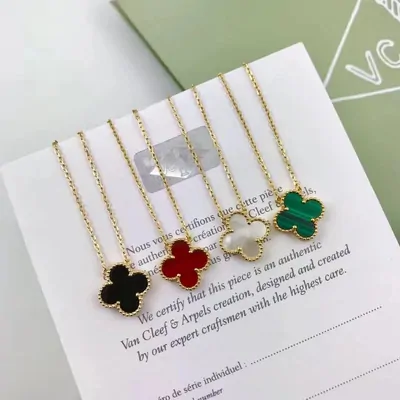
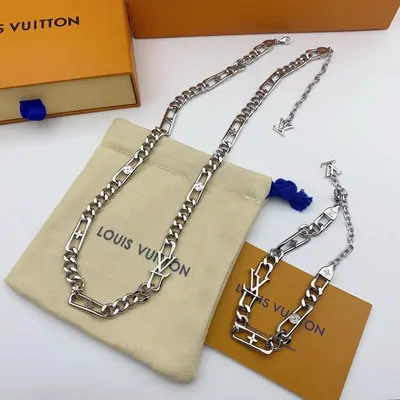
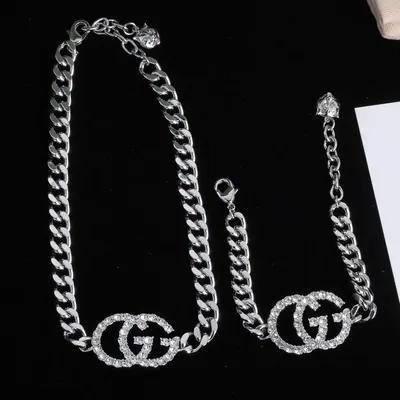
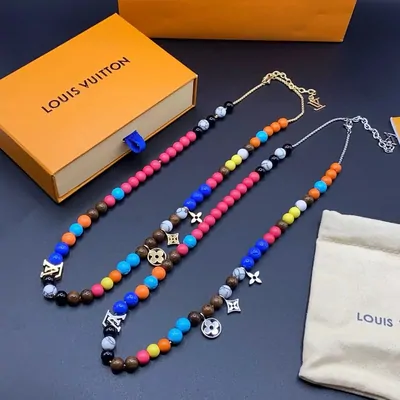
Ask for a close-up of clasps and plating edges at the photo stage; wear shows there first. Small, light and rigid, jewellery is another ideal box-filler, and a hard case request keeps chains from knotting in transit.
Watches
Open the watch shelf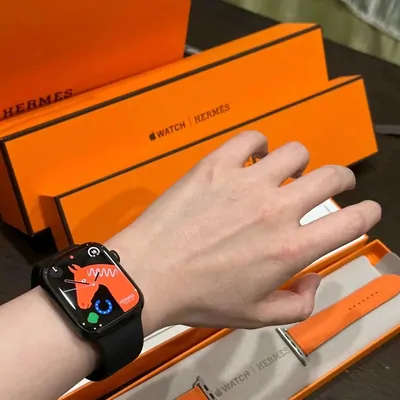
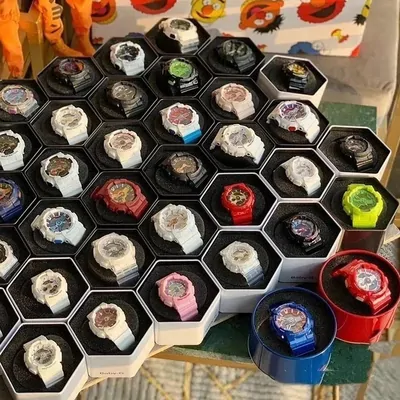
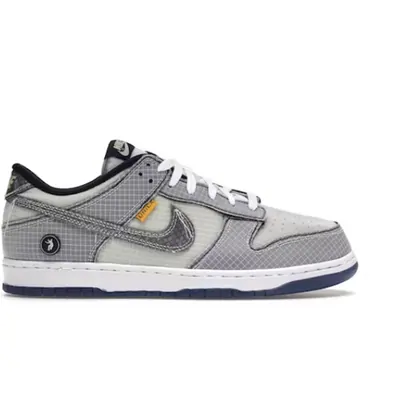
Second flagged stray: the sneaker in this sample row really was filed under watches. Beyond that, anything with a battery inside touches freight rules, so a watch order should be planned with the line restrictions open in another tab.
Electronics
Open the electronics shelf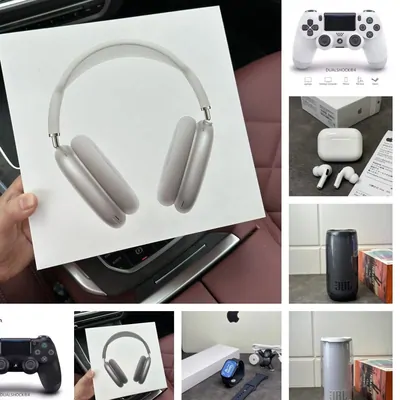
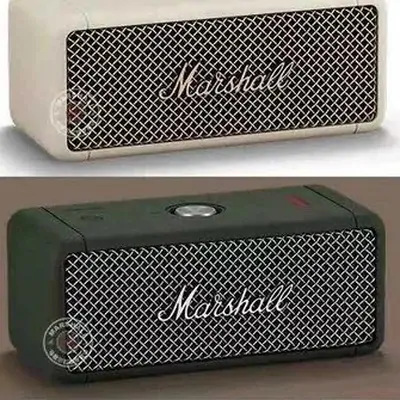
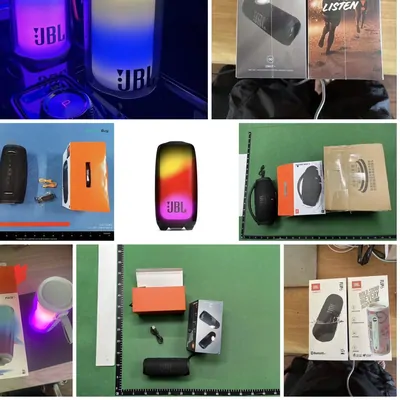
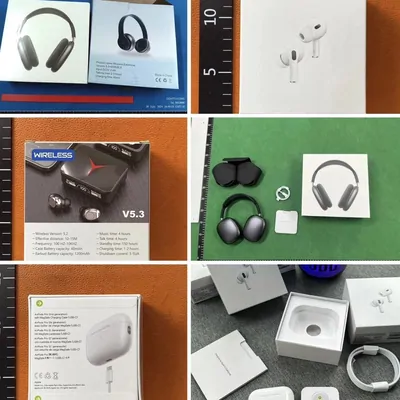
Batteries narrow the shipping menu to a handful of lines, and warehouses will not function-test what arrives; a power-on photo request is the closest thing to a bench test you get. Factor both before this shelf tempts you.
The three-click pulse check for any catalog
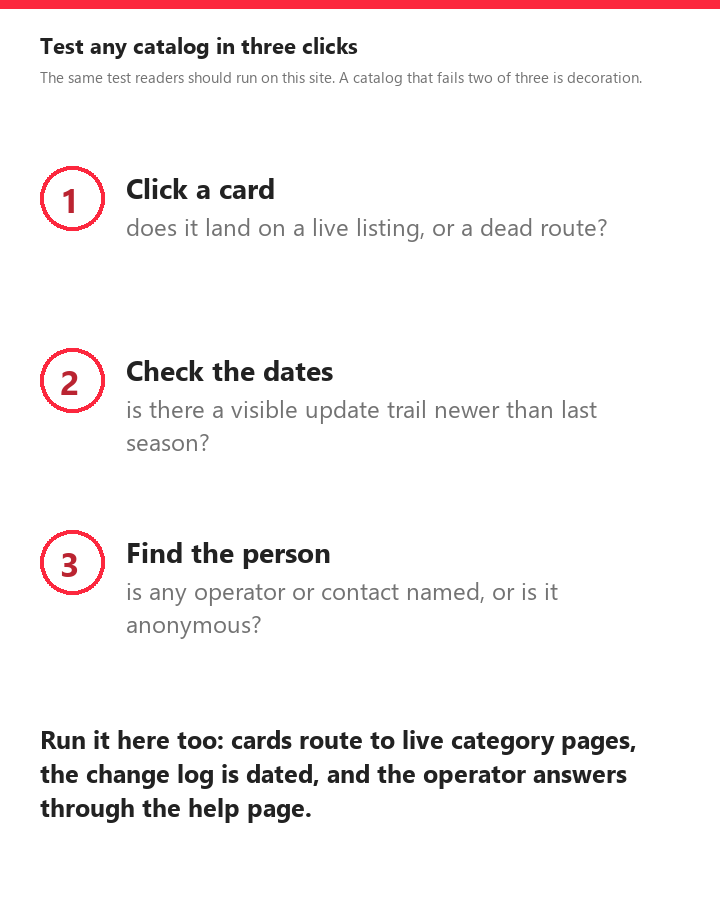
Catalog sites of this kind are easy to start and easy to abandon, so what makes a useful Spreadsheet is maintenance rather than looks, and the test works on any of them, ours included. Click three cards: do they land on live listings? Find the change trail: is anything dated newer than last season? Look for a person: is there a mailbox that answers?
A catalog that fails two of the three is decoration. This site's own answers sit in the open: shelf routes were opened on October 21, 2026, the observation log is dated entry by entry, and the mailbox in the footer reaches the people who maintain the shelves.
One more tell that costs nothing: strays. Every large catalog has them; only a maintained one admits where they are. Ours are flagged in the eyewear and watch notes above.